Skip to content


Table of Contents
Skin can start to feel rough or look less even for plenty of reasons, from past breakouts and dead skin buildup to the gradual changes that come with age. Fine lines may become more noticeable, makeup may settle differently, and old acne marks can make the skin’s surface look less uniform.
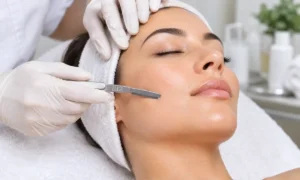
At Symmetry Aesthetics and Wellness, dermaplaning offers a gentle way to address the skin’s outermost layer. Our Dermaplaning Treatment removes accumulated dead skin cells along with fine vellus hair, commonly called peach fuzz, to create a smoother, brighter-looking surface.
What Skin Concerns Can’t Dermaplaning Fully Correct?
Dermaplaning can soften the appearance of superficial acne scarring, fine lines, and uneven texture by carefully exfoliating dead cells from the skin’s surface. It can leave the complexion feeling smoother and looking more even, but it does not treat every type of acne scar or deeper wrinkle. Results depend on the concern being addressed, its depth, and your individual skin.
How a Dermaplaning Treatment Changes the Skin’s Surface
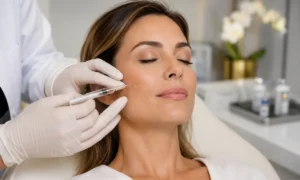
Dermaplaning is a form of facial exfoliation treatment performed with a sterile surgical blade. During treatment, we carefully glide the blade across the skin to remove the outer buildup of dead cells and fine facial hair. At Symmetry Aesthetics and Wellness, appointments generally take about 30 to 45 minutes and require no downtime.
That surface-level exfoliation matters because dead cell buildup can contribute to a complexion that feels rough, looks dull, or makes fine textural irregularities more noticeable.
Once that buildup is removed, patients may notice:
- Softer, smoother-feeling skin
- A brighter and more even-looking complexion
- Less noticeable superficial texture
- Smoother makeup application
- Better absorption of skincare products
Results can be visible immediately, although the skin may continue to feel softer and more refreshed during the days following treatment.
How Much Can Dermaplaning Help Acne Scars?
The answer depends heavily on what you mean by an acne scar.
Dermaplaning for acne scars is best considered a surface-refining option. If past breakouts have left mild unevenness, rough texture, or areas of discoloration, removing accumulated dead skin cells may make those concerns look softer and the overall complexion more uniform. Symmetry lists reducing the appearance of acne scars and hyperpigmentation as potential benefits of dermaplaning.
Deep, indented acne scars are different. Dermaplaning works at the skin’s surface, so it should not be expected to significantly change deeper depressions or structural scarring.
Active acne also changes the conversation. We do not dermaplane directly over irritated skin, open wounds, or active acne. A skin assessment before treatment helps us determine if your complexion is ready for dermaplaning or if another approach makes more sense first.
What About Dermaplaning for Fine Lines?
Fine lines can appear more prominent when the skin is dry, dull, or covered by an uneven layer of dead cells. By clearing away that surface buildup, dermaplaning for fine lines can give the complexion a smoother finish and make very fine lines appear less noticeable. Reducing the appearance of fine lines is also among the benefits listed for dermaplaning at our Norman practice.
The key is keeping expectations realistic. Dermaplaning does not erase wrinkles or change deeper facial lines. Its strength is surface refinement.
That distinction can make dermaplaning appealing for someone who wants a refreshed appearance without significant downtime. It may also fit into a broader anti-aging facial and skincare plan when dullness, roughness, and early surface changes are the main concerns.
Skin Texture Improvement Is Where Dermaplaning Stands Out
For patients bothered by skin that simply does not feel as smooth as they would like, dermaplaning can be especially useful.
Skin texture improvement happens because the treatment physically removes the layer of dead skin cells on the surface. Fine facial hair is removed at the same time, leaving fewer things between your fingertips, skincare products, makeup, and the smoother skin underneath.
This can be helpful if you notice foundation catching on dry areas or your complexion looking dull even when you maintain a regular skincare routine.
Dermaplaning Versus Treatments That Work Deeper in the Skin
Symmetry Aesthetics and Wellness offers additional skin services including Hydrafacial, microneedling, Sciton Moxi Laser Resurfacing, Sciton BBL® Laser, Sciton Forever Clear Acne, and Sciton Skintyte.
For example, someone primarily concerned about deeper acne scarring may have different needs than someone dealing with mild roughness after old breakouts. Likewise, pronounced lines may require a different approach than the fine surface lines dermaplaning can soften visually.
The goal during a consultation is to look at the skin itself rather than choosing a treatment based solely on the name of the concern.
Is Dermaplaning a Good Match for Your Skin?
Dermaplaning can suit many skin types, including sensitive skin. Before a session, we perform a brief skin analysis to confirm that the treatment is appropriate for your current skin condition.
It may be worth considering if your priorities include mild acne-related texture, fine surface lines, dullness, peach fuzz, or generally rough-feeling skin.
We may recommend waiting if you have active acne, open wounds, sunburn, or current irritation. Retinoids and exfoliating products should also be avoided for approximately 24 to 48 hours before an appointment.
Dermaplaning can also improve product absorption after treatment. Since freshly exfoliated skin can be more sensitive to the sun, sunscreen and appropriate aftercare become particularly important. We recommend avoiding direct sun exposure for the first 24 hours after treatment.
Patients interested in Dermaplaning in Norman, OK can also discuss how frequently treatment makes sense for their skin. Symmetry generally recommends dermaplaning every four to six weeks when ongoing maintenance is appropriate.
Smoother Skin Starts With Choosing the Right Treatment
Dermaplaning can make a noticeable difference in surface texture, dullness, fine lines, and some mild signs left behind by previous breakouts. Its limits matter too. Deep acne scars and pronounced wrinkles usually require more than surface exfoliation, which is why assessing the skin first is so important when choosing treatment.
Discover if dermaplaning is right for you—book a consultation. Contact Symmetry Aesthetics and Wellness in Norman, Oklahoma, to discuss your skin goals and schedule a consultation.